To transition to a plant-based diet effectively, focus on gradual changes, everyday local staples, and meeting your nutrition needs.
It’s not about strict rules. It’s about adding more plant foods to your meals, something made easier by the many options in Australian supermarkets.
People often choose plant-based eating to support heart health, improve digestion, and manage weight. It also helps lower your environmental footprint and supports animal welfare.
If you’re thinking of shifting to a healthier plant-based diet, then read on. In this guide, you’ll find practical, easy steps to help you build a balanced and lasting plant-based lifestyle.
Step 1: Take a Gradual Approach
The easiest way to transition to a plant-based diet is to take it slow. This gives your body time to adjust and makes the change feel more manageable. Avoid going “cold turkey,” as that can feel overwhelming and harder to stick with.
Here are doable suggestions.
Start small and build up.
- Swap one animal-based ingredient in each meal for a plant option.
- Replace meat with filling choices like lentils, beans, tofu, or tempeh.
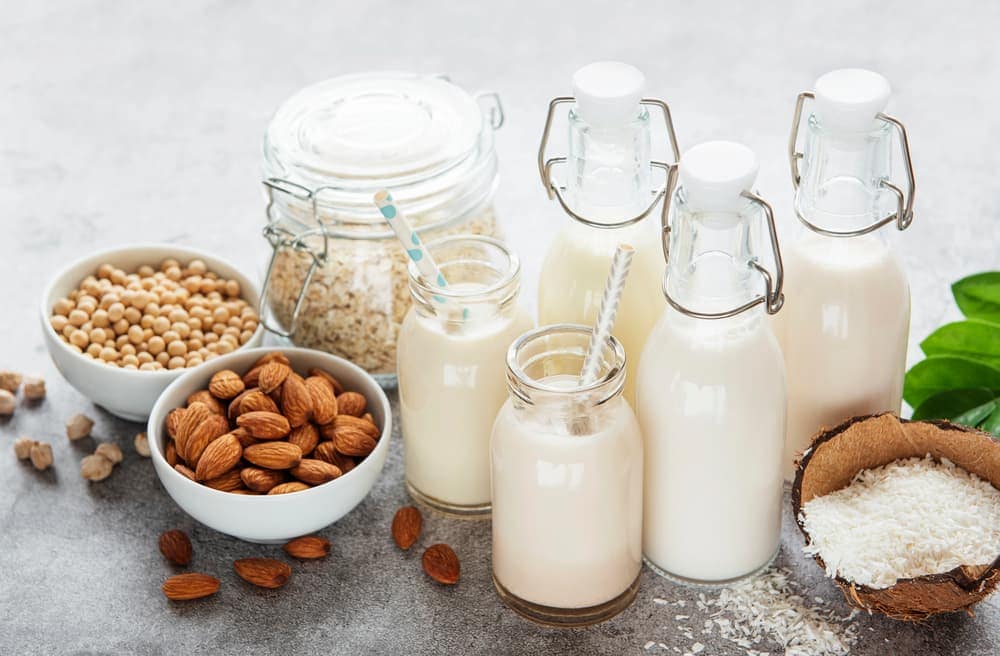
- Replace cow’s milk with fortified soy, oat, or almond milk.
Set simple weekly habits.
- Begin with one plant-based meal a day (like oats with plant milk and fruit for breakfast).
- Try Meatless Mondays or a flexitarian style.
- Start with one or two meat-free days each week.
Try the “crowd out” approach.
- Fill half your plate with vegetables.
- Add more fruits, legumes, and whole grains.
Small, steady changes like these are what make this lifestyle stick in the long term. When planning your plant-based meals, focus on adding rather than restricting. Think abundance, not limitation.
Step 2: Stock Up on Nutritious Swaps and Pantry Staples
Having the right foods at home makes switching to a plant-based diet much easier. When your pantry is stocked, you can quickly build simple, balanced meals without stress.
Be sure you have the following on hand.
Protein alternatives
- Use tofu or tempeh in stir-fries and curries.
- Replace minced meat with lentils or beans in pasta sauces, tacos, or stews.
- Stock up on chia, quinoa, and other plant-based sources with complete proteins.
- Add chickpeas, black beans, and kidney beans to salads, bowls, and wraps.
- Snack on nuts like almonds or cashews for an easy protein boost.
- Use nut butters (like peanut or almond) in smoothies or on toast.
Dairy alternatives
- Choose fortified soy, oat, or almond milk.
- Try plant-based milks like coconut, rice, macadamia, or cashew for variety.
- Use plant-based yogurts like soy, coconut, or almond.
- Swap to vegan cheese options (nut-based cheeses or store-bought slices/shreds)
- Add nutritional yeast for a cheesy flavour in meals.
- Use coconut cream or plant-based cooking creams in recipes.
- Replace butter with vegan butter or margarine.
Pantry staples
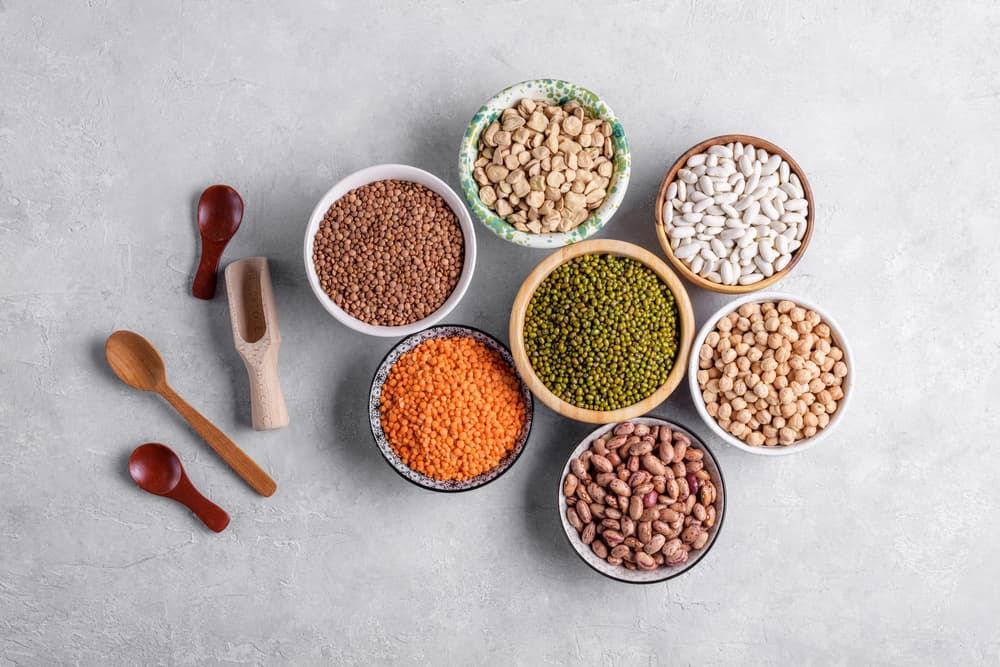
- Legumes or pulses: chickpeas, lentils, black beans, kidney beans (canned or dried)
- Whole grains: rolled oats, brown rice, quinoa, whole-wheat pasta, whole-grain breads
- Nuts and seeds: almonds, cashews, chia seeds, flaxseeds, tahini
- Vegetables and fruits: leafy greens, broccoli, carrots, sweet potatoes (fresh or frozen)
A well-stocked pantry helps you stay consistent, save time, and avoid reaching for less healthy options.
Step 3: Incorporate Variety for Nutrient Adequacy
Eating a wide range of foods is key to staying healthy on a plant-based diet. Variety helps you get all your body’s nutritional needs and keeps meals interesting.
Vitamin B12
- Get it from fortified foods like plant milks, nutritional yeast, or spreads like Vegemite.
- You can also take a daily B12 supplement if needed.
Iron and Vitamin C
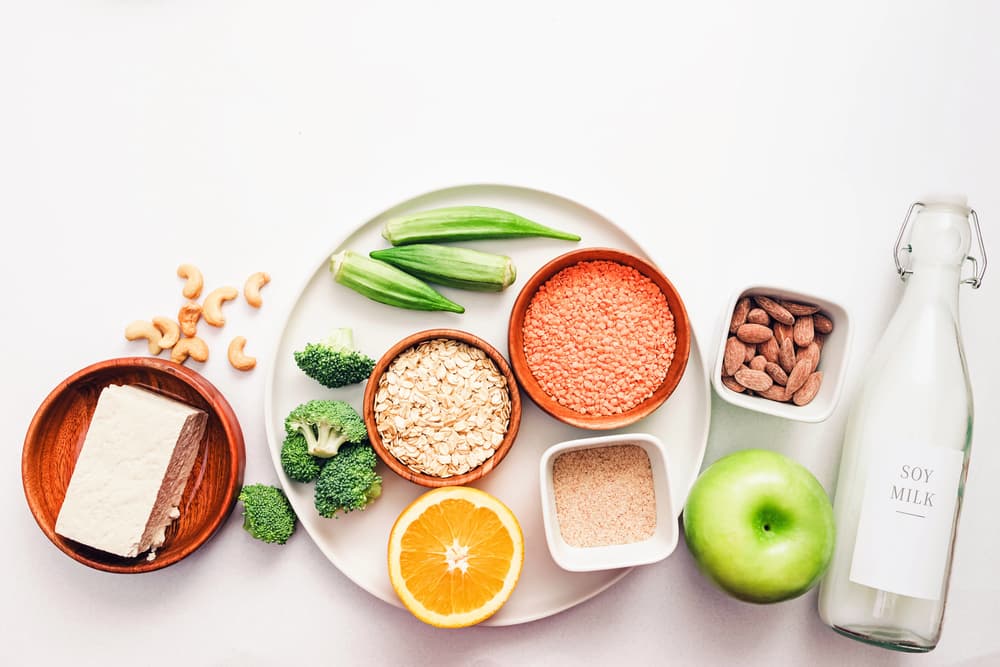
- Iron-rich foods include lentils, tofu, leafy greens, and fortified cereals.
- Pair with Vitamin C foods like citrus, tomatoes, capsicum, or broccoli for better iron absorption.
Calcium
- Choose fortified plant milks (aim for at least 100 mg per 100 ml).
- Include calcium-rich foods like tofu, tahini, broccoli, and bok choy.
Iodine
- Found in bread made with iodized salt in Australia.
- Seaweed is another source (enjoy in moderation).
Protein
- Include tofu, tempeh, beans, lentils, nuts, and seeds.
- Pair legumes with whole grains (like baked beans on toast).
- Eating a mix of foods helps you get all the essential amino acids.
A varied diet keeps you energised, nourished, and satisfied.
Tips for Long-Term Success
Sticking to a plant-based diet gets easier with a few simple habits. Focus on planning, variety, and support to stay on track. Here are a few helpful tips:
- Read labels: Look for plant-based foods that are calcium-fortified or high in fibre. Watch for hidden animal products or ingredients like gelatin, lard, or chicken fat.
- Master meal prepping: Batch-cook staples like legumes, grains, soups, and stews on weekends to save time during busy days.
- Use familiar meals: Turn favourites into plant-based versions, like lentil tacos, veggie stir-fries, or pasta.
- Explore global plant-based cuisines: Keep things interesting with Indian, Middle Eastern, Thai, and Mexican plant-based dishes.
- Get support when needed: Join online or local plant-based communities for ideas and motivation. Speak with an Accredited Practising Dietitian if you have specific health needs or are planning meals for children.
Simple routines make this lifestyle easier to maintain long-term.
Common Pitfalls to Avoid
It’s normal to make a few mistakes when you transition to a plant-based diet. Knowing what to watch for can make your transition smoother.
- Over-relying on processed foods: Many vegan substitutes are high in salt and saturated fat. Focus on whole, minimally processed foods instead.
- Increasing fibre too quickly: This can cause bloating or discomfort. Add fibre slowly and drink plenty of water.
- Not eating enough calories: Plant foods are less calorie-dense. Eat bigger portions or add nuts and seeds for extra energy.
- Lack of planning: Not preparing meals can lead to unhealthy choices or skipping meals.
- Limited variety: Eating the same foods can lead to nutrient gaps. Mix up your meals regularly.
Keep a Simple and Sustainable Plant-Based Lifestyle
Your plant-based diet transition is a journey, not a race.
You don’t need to change everything overnight. Instead, start small, focus on nutrient-rich foods, and give your body time to adjust. With thoughtful planning and simple swaps, you can build balanced meals that keep you full and energised.
As you become more consistent, the lifestyle becomes easier and more enjoyable. Over time, you’ll create a way of eating that supports your health and fits your routine.
With patience and steady habits, you can make plant-based eating a long-term success.
Related Questions
1. How long does it take to adjust to a plant-based diet?
Most people adjust within 2–4 weeks as their digestion adapts to increased fibre intake. Starting gradually helps minimise discomfort and makes the transition smoother.
2. Can you get enough protein on a plant-based diet?
Yes, you can easily meet your protein needs in a plant-based diet by eating a variety of foods, like beans, lentils, tofu, nuts, and seeds. Consistency and variety are key to ensuring adequate intake. Check out this article on high-protein plant-based breakfasts for ideas.

- Front-Drive vs Rear-Drive Ellipticals: Which Is Better for Your Home? - 23 October 2026
- What Treadmill Weight Capacity Do You Need? Why Weight Limits Matter - 22 October 2026
- Can You Leave an Exercise Bike Outside? - 21 October 2026