Indoor rowing helps burn belly fat because it works about 86% of your muscles with every stroke, combining cardio and strength in one low-impact movement. You can burn 400–800+ calories per hour, and even short 15 to 20-minute sessions can make a real difference over time.
While you can’t target belly fat directly, rowing helps lower overall body fat, including visceral fat around organs and subcutaneous fat under the skin. Stick with it, and results follow.
Keep reading to learn how to make rowing work best for you.
Why Indoor Rowing Cannot Target Belly Fat Directly
It’s a common belief that you can burn fat from just one area. However, that’s a myth. Remember:
- No spot reduction: You can’t lose fat only from your belly. Rowing helps reduce total body fat, which in turn shrinks belly fat.
- Fat loss is full body: Your body decides where fat comes off first, not the exercise you choose.
- Calorie deficit matters: To lose fat, you need to burn more calories than you eat.
Indoor rowing is powerful, but its real benefit is lowering your overall fat percentage, which leads to a leaner waist over time.
How Does Indoor Rowing Burn Belly Fat?
Indoor rowing is a powerful way to support fat loss because it works your whole body and keeps your heart rate up. Over time, this helps reduce overall body fat, including belly fat.
Here’s what makes indoor rowing an effective fat burner.
1. High Calorie Burn
Indoor rowing is one of the most efficient ways to burn calories, which is key to losing belly fat.
- Burns 400 to 800+ calories per hour, depending on exercise intensity
- Effective even in short sessions
- Higher calorie burn compared to many cardio machines
A 70 kg (155 lb) person, for example, can burn around 250–300 calories in 30 minutes at a moderate intensity, and 360–400+ calories at a higher pace. Research from Harvard Medical School also ranks rowing among exercises with high calorie burn, especially at vigorous intensity.
This makes indoor rowing a great choice if you want results in less time.
2. Full-Body and Core Muscle Engagement
Rowing is a full-body workout that engages up to 86% of your muscles, making it an efficient exercise for weight loss. It works your whole body in one smooth motion, making it great for fat loss and midsection toning.
- Works legs, back, arms, shoulders, and core
- Builds lean muscle, boosting your metabolism (BMR)
- Keeps your core engaged for balance and control
Your core muscles (abs, obliques, and lower back) stay active throughout to keep you stable. This helps strengthen and tighten your abdominal muscles underneath the fat.
Rowing is typically more time-efficient than other cardio options like running or cycling since it’s a total-body workout.
Also, because indoor rowing targets so many muscles, it also helps your body burn more calories even after your workout, speeding up results over time.
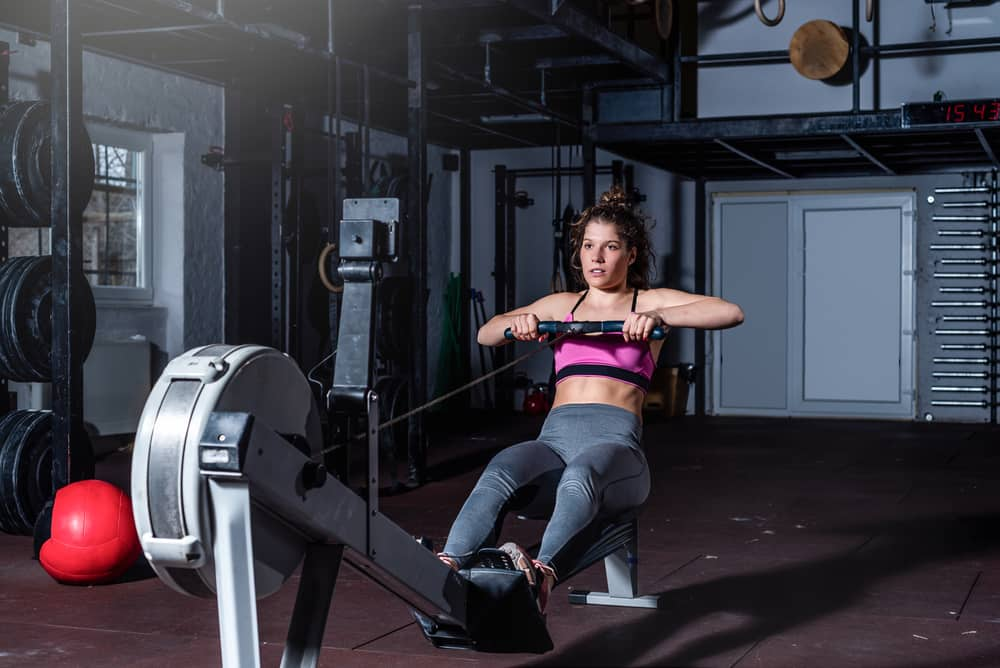
3. Visceral Fat Reduction
Indoor rowing doesn’t just help you look leaner. It also improves your health from the inside out. As a form of aerobic exercise, it’s especially effective at reducing visceral fat, the harmful fat stored around your internal organs.
- Helps reduce visceral fat (fat around organs)
- Supports heart health and overall wellness
- Improves energy and overall fitness levels
Unlike surface fat, visceral fat is linked to health risks like heart disease. Regular indoor rowing helps lower this type of fat over time.
That means, aside from a flatter belly, this exercise helps build a healthier, stronger body overall.
4. The Afterburn Effect (EPOC)
One big benefit of indoor rowing is the “afterburn” effect, also called EPOC. This happens when your body keeps burning calories even after your workout ends.
- High-intensity rowing boosts your metabolism
- Keeps calorie burn elevated for hours after exercise
- Works best with HIIT (high-intensity interval training)
When you push hard during short bursts, your body needs extra energy to recover. This means you keep burning calories long after you step off the machine.
The harder you row (in short bursts), the more fat your body can burn, even after you’re done.
Best Indoor Rowing Strategies for Fat Loss
To lose belly fat with indoor rowing, it’s best to mix different workout styles. This rowing technique keeps your body challenged and helps you burn more calories. Try these strategies.
- Steady-State Rowing: Moderate pace for 30–50 minutes that builds endurance and supports steady fat burn.
- HIIT Rowing: Short bursts of high intensity followed by recovery periods that maximise calorie burn and create an afterburn effect (EPOC). Check out this sample 20-minute rowing machine HIIT.
- Combination Approach: Mixing both steady-state and HIIT sessions throughout the week for better results and to avoid plateaus.
Aim to combine longer, steady rows with short, intense sessions for the best fat loss results.
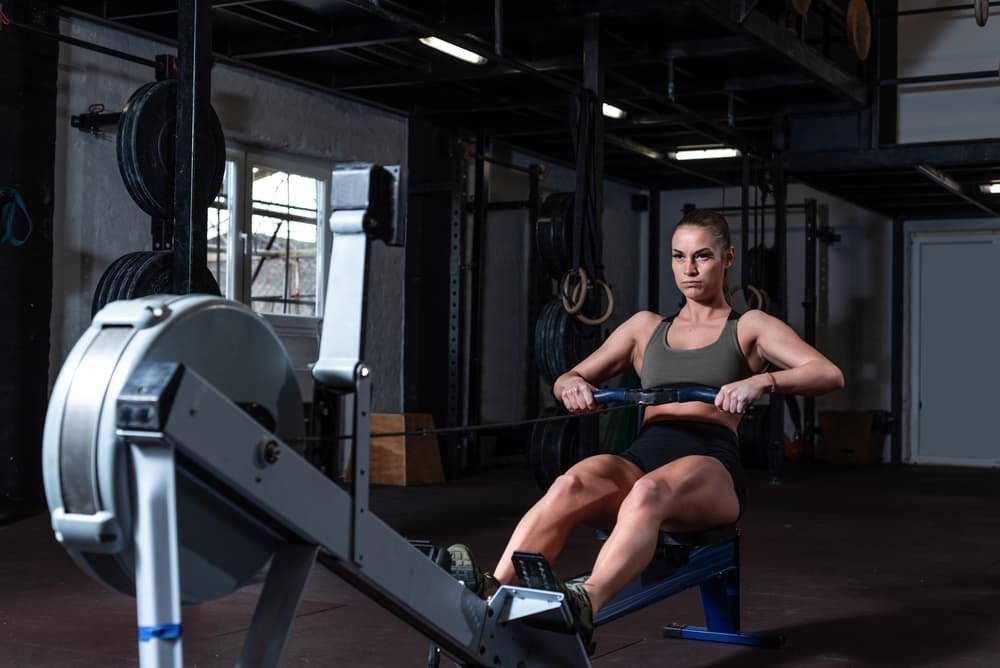
Easy Indoor Rowing Routine for Belly Fat Loss
Start with a simple routine to help you stay consistent and see real results. The key is balancing time, effort, and recovery. Here’s a plan to get you started.
1. Frequency & Duration
- 3–4 sessions per week (up to 5 for faster results)
- 20–45 minutes per session
2. Ideal Training Mix
- Combine steady-state rowing and HIIT rowing for the best results.
3. Example Rowing HIIT Workout
| Phase | What You Do | Duration |
| Warm-up | Light rowing to get moving | 3–5 minutes |
| Work Interval | Maximum effort rowing | 30 seconds |
| Recovery | Light rowing | 90 seconds |
| Repeat | Cycle work + recovery | 15–25 minutes total |
| Cool-down | Slow easy rowing | 3–5 minutes |
This mix helps you burn calories, build endurance, and boost your metabolism. Stick with it each week, and you’ll start to feel stronger and leaner over time.
Tips to Maximise Belly Fat Loss Results
Getting the most out of your rowing workouts comes down to smart habits, not just hard work. Apply these tips on technique, consistency, and lifestyle choices to speed up your results:
- Master your technique: Around 60% of your power should come from your legs. Avoid over-pulling with your arms so each rowing stroke is efficient and powerful. This guide on how to get better at indoor rowing should help.
- Maintain proper rowing form: Sit tall with a straight back and keep your core engaged to fully activate your abdominal muscles.
- Pair with a healthy diet: A calorie deficit is essential for fat loss, even with regular rowing sessions.
- Use HIIT strategically: Short bursts of high intensity can boost calorie burn and increase the afterburn effect.
- Stay consistent: Aim for 3 to 5 sessions per week to build momentum and progress.
- Be patient: Strength improvements can show in a few weeks, but visible belly fat loss usually takes 2 to 3 months of consistency.
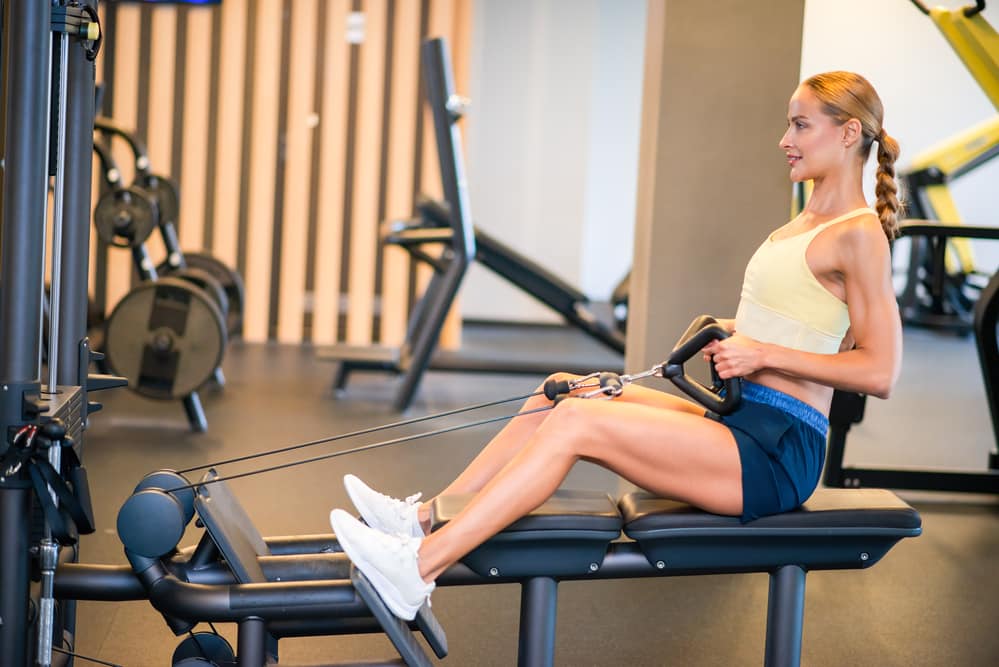
Start Your Belly Fat Loss Journey with Indoor Rowing
So, does indoor rowing burn belly fat? Yes, it’s one of the most effective workouts you can do.
It helps you burn calories, build lean muscle, and reduce overall fat, which leads to a smaller waist over time. You won’t lose fat from just one spot, but rowing helps your whole body get leaner.
For the best results, you need to combine consistent rowing with a healthy diet, patience, and a good rowing machine that suits your needs. If you stay consistent, you’ll see real changes in a few months.
Ready to get started? Check out our reviews of the best indoor rowers to find the right one for you.
Related Questions
1. How long should you use the rowing machine to lose belly fat?
Aim for 20–45 minutes per session, 3–5 times per week, combined with a healthy diet for best results.
2. How quickly will I see results from rowing?
You may feel stronger within a few weeks, but visible belly fat loss usually takes about 2–3 months of consistent training.
3. Why is it difficult to lose belly fat?
Stubborn belly fat is hard to lose because fat loss happens across the whole body, and hormones, diet, and genetics all play a role.
4. Can rowing give me abs?
Rowing can strengthen and tone your core, but visible abs only appear when your overall fat is low enough.
- Front-Drive vs Rear-Drive Ellipticals: Which Is Better for Your Home? - 23 October 2026
- What Treadmill Weight Limit Do You Need? Why Capacity Matters - 22 October 2026
- Can You Leave an Exercise Bike Outside? - 21 October 2026