When comparing commercial vs home Pilates reformers, the primary difference lies in their durability, stability, and intended use.
Commercial reformers are built for continuous, daily, multi-user environments like studios, featuring heavier-gauge steel or thick wood frames. Meanwhile, home models focus on space-saving designs, portability, and lower upfront costs.
A Pilates reformer is a specialised machine that uses springs and a gliding carriage to provide resistance during your workout. Choosing the right type matters because it affects your safety and how quickly you see results.
In this guide, we’ll help you pick the perfect reformer based on your workout preference and needs.
This guide is based on general product specifications and industry standards, not hands-on testing of individual models.
Quick Overview: Commercial vs Home Pilates Reformers
Commercial reformers are all about durability, stability, and precise performance. They’re built to handle long hours of daily use in busy studios.
Home reformers, on the other hand, focus on portability, ease of storage, and cost-effectiveness, making them ideal for personal workouts and smaller spaces.
Here’s a table summarising their main differences:
| Feature | Commercial Pilates Reformer | Home Pilates Reformer |
| Build/Frame | Heavy-duty (steel/hardwood) | Lightweight (aluminium/wood) |
| Usage Frequency | High (5–8+ hours daily) | Low (3–4x per week) |
| Stability | Very high, rock solid | Moderate, slight flex possible |
| Storage | Permanent or non-folding | Foldable or stackable |
| Springs | 5–6 heavy-duty | 4–5 high-quality |
| Glide | Ultra-smooth, quiet | Good, may get noisier over time |
| Weight Capacity | Higher (150kg+) | Lower (about 100–120kg) |
| Price Range (AUD) | $4,000–$10,000+ | Often $1,500–$3,500 |
How Do Commercial vs Home Pilates Reformers Differ?
Commercial and home Pilates reformers differ in construction, stability, size, features, and cost.
These factors affect machine feel, usage frequency, fit in your space, and budget. Understanding them helps you choose the right option.
Below, we describe each difference in more detail.
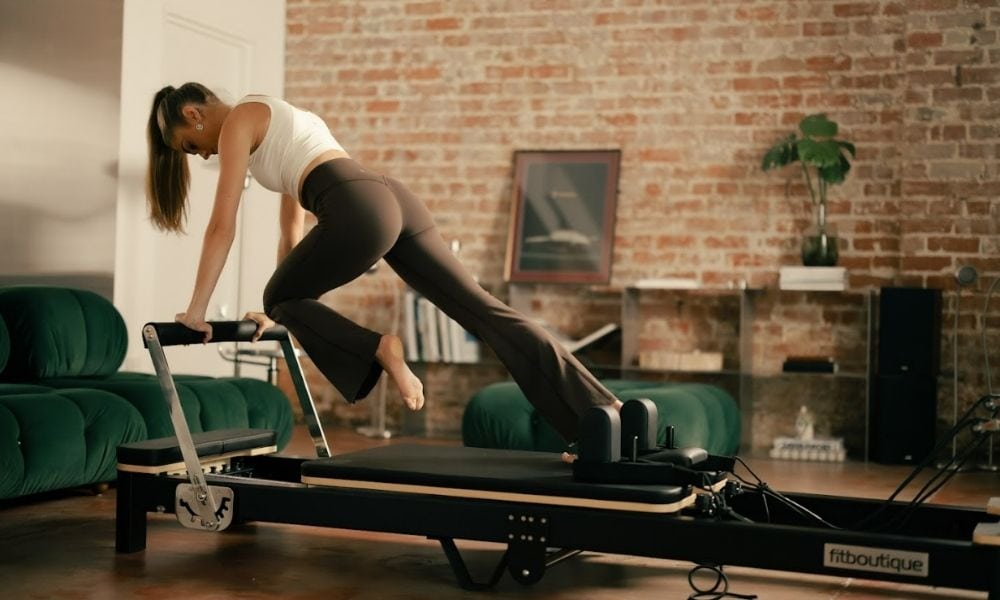
1. Frame and Stability
The frame is the machine’s foundation and greatly affects workout feel.
Commercial Reformers
- Heavy-duty materials: These are usually made from heavy-gauge steel or solid wood.
- Built for action: They are designed to stay perfectly still, even during fast or powerful movements.
- Rock-solid feel: Because they are so heavy, there is zero wobble, no matter who is using them or how hard they train.
Home Reformers
- Lightweight build: These use lighter materials, like aluminium, so you can move them around your house easily.
- Portability first: Many home models have folding joints. While this is great for storage, it can sometimes cause a bit of “flex” or movement during exercise.
2. Spring Systems and Resistance
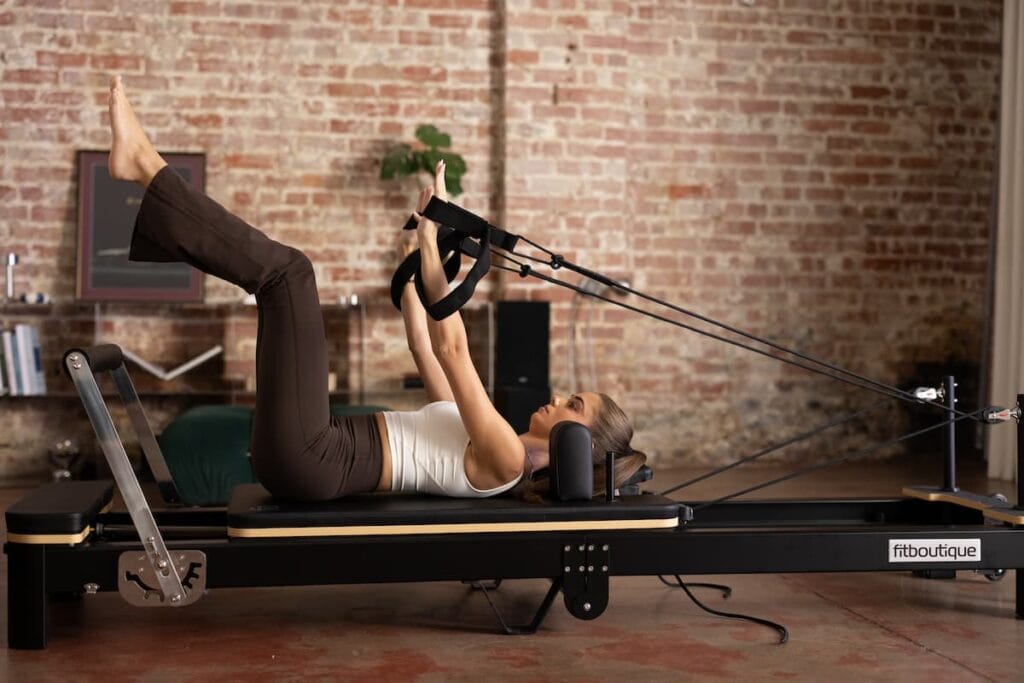
The springs are the engine of your reformer. They provide the resistance that tones your muscles and supports your body during each move.
Commercial Reformers
- Colour-coded sets: These models use standardised, colour-coded springs so you always know exactly how much tension you are adding.
- Long-lasting power: They are built to be stretched and released thousands of times without losing their “snap” or getting stretched out.
Home Reformers
- Personal grade: While these springs are high-quality, they aren’t meant for 24/7 use and have a shorter overall lifespan.
- Consistency: Over time, you might notice the resistance feels a little different or less consistent than when the machine was brand new.
3. Adjustability and Versatility
A great reformer should fit your body like a glove. The more you can adjust it, the more exercises you can do comfortably and safely.
Commercial Reformers
- Many positions: These usually have 4–6 different footbar heights to fit everyone from very short to very tall users.
- Smart pulleys: You can change the height of the pulleys, which helps you target specific muscles more easily.
- One size fits all: Because they are made for Pilates studios, they are designed to be changed quickly to fit many different body types.
Home Reformers
- Simple setup: These have fewer adjustment points because they are usually only used by one or two people at home.
- Individual focus: The design is straightforward, making it quick and easy to hop on for a personal workout without too much fussing around.
4. Usage Frequency and Longevity
How often you plan to jump on your reformer machine makes a big difference in which one you should pick. Some are built to run all day, while others are made for a few sessions a week.
Commercial Reformers
- Non-stop action: These are true workhorses built to handle 5–8+ hours of use every single day without breaking a sweat.
- Built to last: You can expect a high-quality studio model to last 10+ years, even with multiple users.
Home Reformers
- Casual use: These are best for moderate workouts, like 3 or 4 times a week.
- Convenience first: They are designed to be handy and easy to store rather than being heavy-duty machines that last for decades.
5. Storage and Space Considerations
Before you buy, it is important to think about where your new machine will be. Some reformers are like a piece of furniture that stays put, while others can be tucked away when you are finished.
Commercial Reformers
- Permanent spot: These machines require a dedicated space. They are heavy and solid, so you won’t want to move them after assembly.
Home Reformers
- Easy to hide: These suit apartments or smaller homes. Many home reformer models are foldable or allow vertical storage.
- Space saver: You can enjoy a full workout and then quickly clear the floor, so your living room feels like home again.
6. Price Comparison (Australia)
Buying a Pilates reformer is an investment in your health, but the cost depends on how you plan to use it. Prices in Australia vary based on the materials used and the amount of work the machine can handle.
- Commercial Reformers ($4,000–$10,000+): These are high-end machines. While they cost more upfront, they are a long-term investment.
- Home Reformers ($1,500–$3,500): This is the typical range for a quality foldable Pilates reformer. These are an accessible entry point for anyone wanting to start their Pilates journey without a studio-sized price tag.
Hybrid Option: Reformers That Bridge Home and Commercial Use
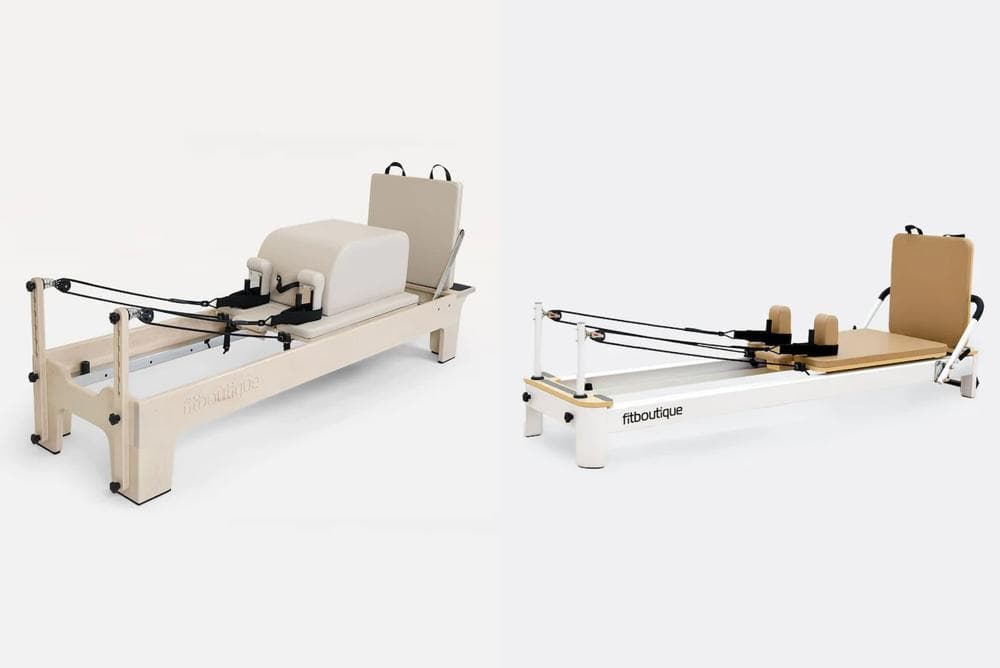
Some reformers offer the best of both worlds: professional quality in a space-saving design.
These hybrid solutions are perfect if you want something stronger than a basic folding model but aren’t ready for a full-sized studio machine.
For serious home users who want a machine that lasts for years, certain models, like the Sienna Reformer, bridge this gap effectively. These are excellent for those looking for:
- Commercial-Grade Build: They feature a much tougher frame than standard home units.
- High Stability: Designed to provide a more stable workout experience without the giant footprint of a traditional studio unit.
- Natural Step Up: This is the ideal upgrade if you have outgrown your foldable reformer and want a more professional feel.
Other hybrids focus on bringing a studio-level experience into a more flexible setup. Options like the Perlino Reformer are popular with advanced users and instructors training at home because they offer:
- Studio-Level Precision: They aim to deliver smooth glide and consistent spring tension you would expect in a professional class.
- Enhanced Adjustments: You can customise the settings more deeply to fit your specific height and strength.
- Flexible Professionalism: You get the durability of a studio machine and the convenience of a personal space.
Whether you’re looking for extra durability for your daily practice or a more compact pro-level setup, these hybrid models offer a smart, long-term solution that fits perfectly right in the middle.
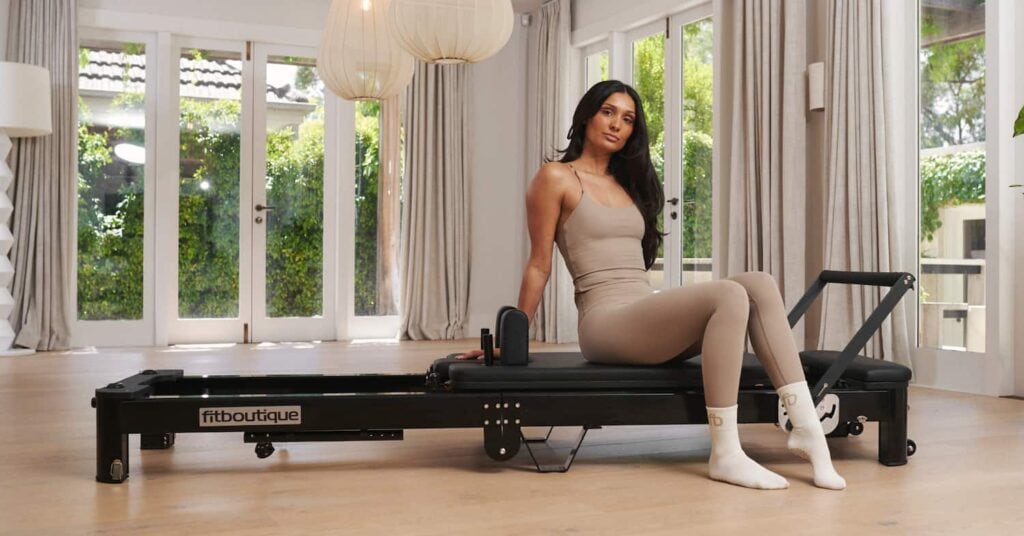
For those based in Australia, companies such as FitBoutique offer a range of commercial and studio reformers with nationwide delivery, with options designed for both home use and professional studio environments.
Which One Should You Buy?
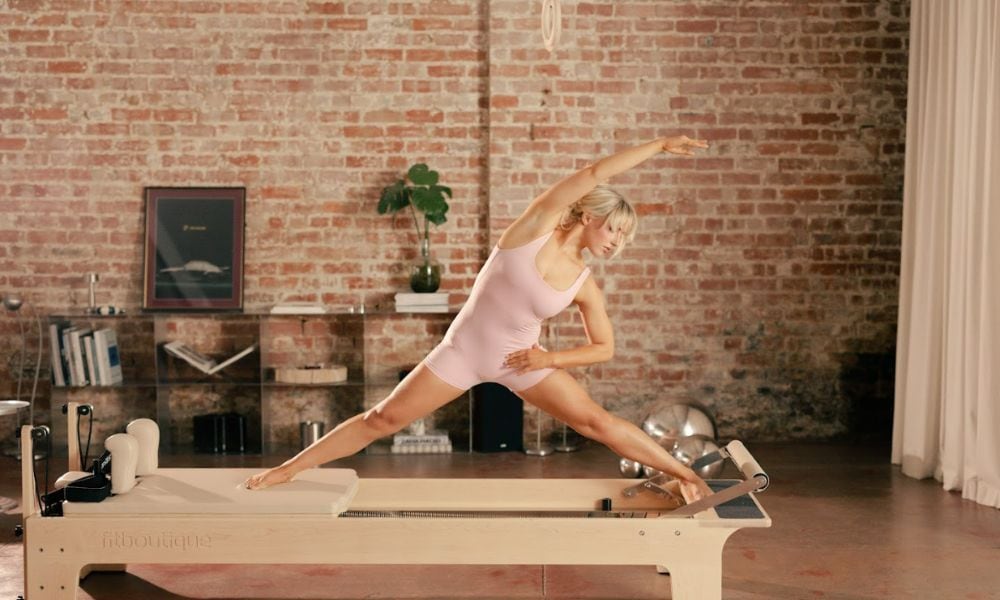
Deciding on a reformer machine is a big step, but it usually comes down to your goals and how much room you have at home. Think about your daily routine and the kind of workout experience you prefer.
Choose a Commercial Reformer If:
- You are a certified instructor opening your own Pilates studio.
- You train clients daily or run busy group sessions.
- You need maximum durability and exact precision.
- You want to add Pilates reformer accessories later on.
- You have a dedicated room just for working out.
Choose a Home Reformer If:
- You live in an apartment or have limited floor space.
- You need to be able to store your reformer away after use.
- You are a beginner or intermediate user.
- You plan to train about 2 to 4 times per week.
- You want a lower upfront cost.
Choose a Hybrid Reformer (like the Sienna or Perlino) If:
- You want commercial-level stability without the studio price tag.
- You train frequently but don’t need a full-time professional setup.
- You might teach occasionally or plan to upgrade your skills later.
- You don’t want to compromise on quality but still need a bit of flexibility.
Choose the Right Reformer for the Long Run
The best reformer isn’t the most expensive one. It’s the one you will actually use.
If you have a dedicated gym spot, a commercial model offers amazing durability. If you’re working out in a spare bedroom, a home reformer gives you your floor space back after your workout. For those who want studio quality without the massive size, a hybrid is a fantastic choice.
Choose a machine that matches how often you plan to train and the space you have available. Also, take time to read reviews and compare your options, so you can invest in a reformer that truly fits your goals.
Related Questions
1. Are home Pilates reformers worth it?
Yes, home Pilates reformers are worth it if you want a convenient and cost-effective way to stay consistent with your workouts. They’re ideal for beginners to intermediate users who train a few times a week and don’t need full commercial-grade features.
2. Can you use a home reformer every day?
You can use a home reformer daily, but most cannot support heavy, multi-hour use like commercial machines. Frequent use is fine for personal workouts, but long-term durability may vary depending on build quality.
3. Do I need a commercial reformer for serious training?
Not necessarily. Many advanced users can train effectively on a high-quality home or hybrid reformer. However, a commercial reformer is a better choice if you need maximum stability, precision, and durability for intense or professional-level use.
- Front-Drive vs Rear-Drive Ellipticals: Which Is Better for Your Home? - 23 October 2026
- What Treadmill Weight Capacity Do You Need? Why Weight Limits Matter - 22 October 2026
- Can You Leave an Exercise Bike Outside? - 21 October 2026