Compression garments improve recovery by enhancing blood flow and shielding muscles from the micro-trauma that leads to soreness. While they offer significant physiological perks, proper usage is key to avoiding potential risks.
Popular compression garments include compression socks, sleeves, tights, and shirts, each designed to support different muscle groups. Many people use them after running, strength training, or playing sports to help their bodies recover more quickly.
In this post, we explore how to leverage compression technology effectively, covering the core benefits, safety precautions, and best practices for your recovery routine.
- What are Compression Garments and How Do They Work?
- What are the Benefits of Using Compression Garments for Recovery?
- What are the Risks When Using Compression Garments?
- Best Practices for Use
- How to Choose the Right Compression Garment
- Make Smarter Recovery Choices with Compression Gear
- Related Questions
What are Compression Garments and How Do They Work?
Compression garments are tight, elastic clothing designed to apply gentle, controlled pressure to specific parts of the body.
This pressure helps support muscles and improve circulation, which may aid recovery after exercise. Athletes and fitness enthusiasts often wear them after tough workouts to reduce soreness and help muscles recover faster.
Here are some common types of compression garments:
| Compression Gear | Target Area | Common Users | Key Recovery Benefits |
| Compression Socks | Feet and lower legs (calves, ankles) | Runners, cyclists, endurance athletes | Improve circulation, reduce lower-leg fatigue, and help limit swelling after long workouts |
| Compression Sleeves | Calves, arms, or knees | Athletes with muscle soreness or minor strains | Provide targeted muscle support and help reduce vibration during activity |
| Compression Tights/Leggings | Full lower body (hips, thighs, calves) | Runners, gym-goers, strength athletes | Offer full-leg support, reduce muscle oscillation, and assist recovery after intense leg workouts |
| Compression Shirts/Tops | Chest, shoulders, upper back | Basketball players, football players, weightlifters | Support upper-body muscles, improve posture, and reduce muscle vibration |
| Compression Boots (Recovery Boots) | Entire legs | Professional athletes and recovery-focused gym users | Use air chambers that inflate and deflate to massage the legs, helping move blood and fluid back toward the heart; sessions typically last 20–30 minutes |
What are the Benefits of Using Compression Garments for Recovery?
Compression garments can be a simple way to support your recovery after tough workouts. While they’re not a magic fix, their benefits can help your body feel better and bounce back faster:
- Reduced Muscle Soreness: Compression may help reduce delayed-onset muscle soreness (DOMS) by stabilising muscles and limiting vibration during movement. This reduced vibration can lower small amounts of muscle damage, and many athletes report feeling less sore within 24–72 hours after training.
- Improved Blood Circulation: The gentle pressure helps blood flow back to the heart more efficiently. This effect may support the removal of waste products, like lactic acid and creatine kinase, while also delivering oxygen and nutrients to recovering muscles.
- Faster Strength and Power Recovery: Compression garments may help reduce the drop in strength and power after intense workouts. They are especially useful after heavy strength training, plyometric exercises, and eccentric movements like downhill running.
- Reduced Swelling and Inflammation: The external pressure helps limit fluid build-up in muscles and surrounding tissues, which can reduce swelling and stiffness after demanding sessions.
- Temperature Regulation: Compression garments help maintain a stable muscle temperature, keeping muscles warm in cooler conditions and potentially lowering the risk of injury.
- Psychological Benefits: Many people feel more supported when wearing compression gear, which can boost confidence, improve motivation, and enhance the overall feeling of recovery.

What are the Risks When Using Compression Garments?
It’s essential to use compression garments correctly, despite their general safety. Wearing the wrong size or using them for too long can cause problems instead of helping recovery:
- Improper Fit: Garments that are too tight can restrict blood flow, cause discomfort or bruising, and leave pressure marks on the skin. Choosing the right size is key to staying safe and getting the benefits.
- Skin Irritation: Wearing compression gear for long periods may lead to itching, dryness, or rashes. If the fabric doesn’t manage sweat well, it can also increase the risk of fungal infections.
- Potential Nerve Compression: In rare cases, very tight or rolled-down garments can press on nerves. This may cause numbness, tingling, or temporary weakness.
- Medical Reasons: People with certain conditions should consult a doctor first. Compression may worsen circulation issues in cases like:
- Severe peripheral arterial disease
- Advanced heart failure (NYHA IV)
- Deep vein thrombosis (DVT)
- Limited Performance Benefits During Exercise: Research is mixed on performance gains during activity. Compression garments are usually more helpful for recovery than for improving performance.
Best Practices for Use
Using compression garments properly helps you get the most benefit while staying comfortable and safe. A few simple habits can make a big difference in your recovery.
- Observe Optimal Duration: Wear compression gear for several hours after exercise, or even overnight if it feels comfortable, to support recovery.
- Choose the Right Garment: Choose high-quality garments with graduated compression, meaning tighter pressure at the ankle or wrist and less pressure higher up the limb.
- Wear the Proper Size: Get properly measured when possible, instead of guessing your size. A good fit should feel snug but not painful.
- Clean Regularly: Wash your garments often to keep them clean and stretchy, and always air-dry to protect the fabric.
- Put Them on Early: Wear them soon after your workout for the best results.
- Listen to Your Body: If you feel numbness, pain, or discomfort, remove them and adjust your fit.
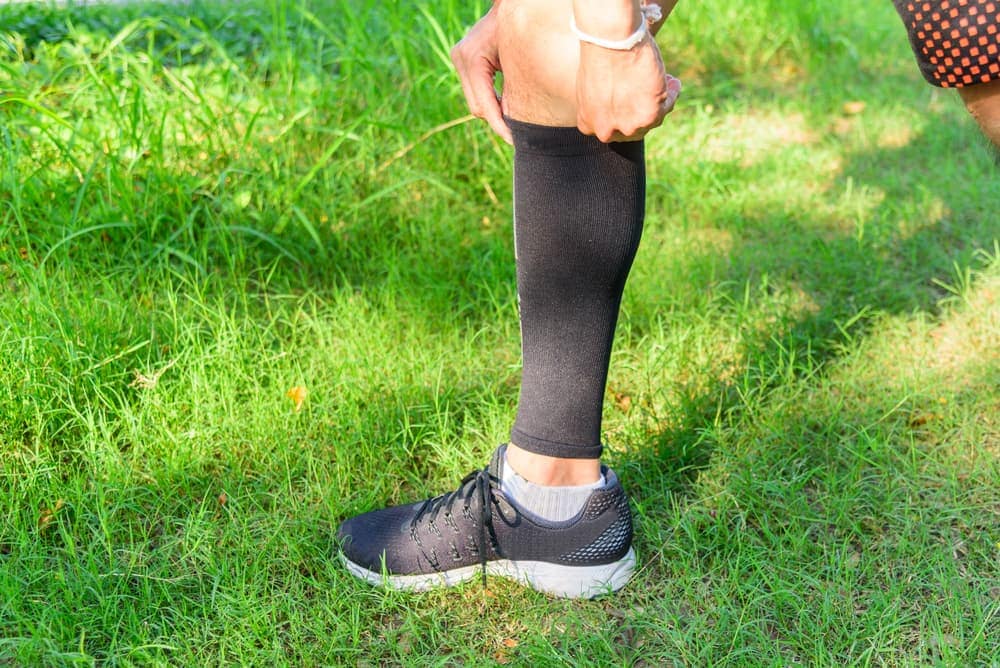
How to Choose the Right Compression Garment
Choosing the right compression garment can make a big difference in how well it works for your recovery process. The goal is to find something that feels comfortable, supportive, and suited to your needs.
Here are a few helpful tips:
- Look for Graduated Compression: This means the pressure is strongest at the extremities (like the ankles) and gradually decreases toward the heart. This design helps improve blood flow and supports better circulation.
- Check Material and Breathability: Choose garments made with moisture-wicking fabrics, breathable materials, and antibacterial features where possible. These help keep your skin dry and reduce irritation.
- Ensure Proper Fit: Always follow the brand’s sizing chart. Compression should feel snug but not tight or painful.
- Match the Garment to Your Activity: Pick socks, sleeves, or tights based on which muscles need support.
- Check Durability and Quality: Look for well-made stitching and strong elastic so the garment keeps its shape over time.
Make Smarter Recovery Choices with Compression Gear
Compression garments can support your recovery, especially when you’re dealing with sore muscles after hard training.
They may help reduce soreness and make it easier for your body to bounce back. But they’re not a magic fix. You’ll still need good sleep, proper nutrition, and smart training to recover well.
When you choose the right fit and use it safely, compression gear can be a simple way to feel better and stay consistent with your workouts.
Related Questions
1. How long should you wear compression garments after exercise?
For best results, you should wear compression garments for at least 3–4 hours after exercise, with many benefits seen when worn up to 24 hours post-workout. After very intense sessions, you can also use them intermittently for 24–48 hours to support recovery.
2. Are compression garments worth using for recovery?
Compression garments can offer small to moderate recovery benefits, especially after intense strength or eccentric workouts. They work best when combined with good nutrition, quality sleep, proper hydration, and active recovery.